
Advice
19 results
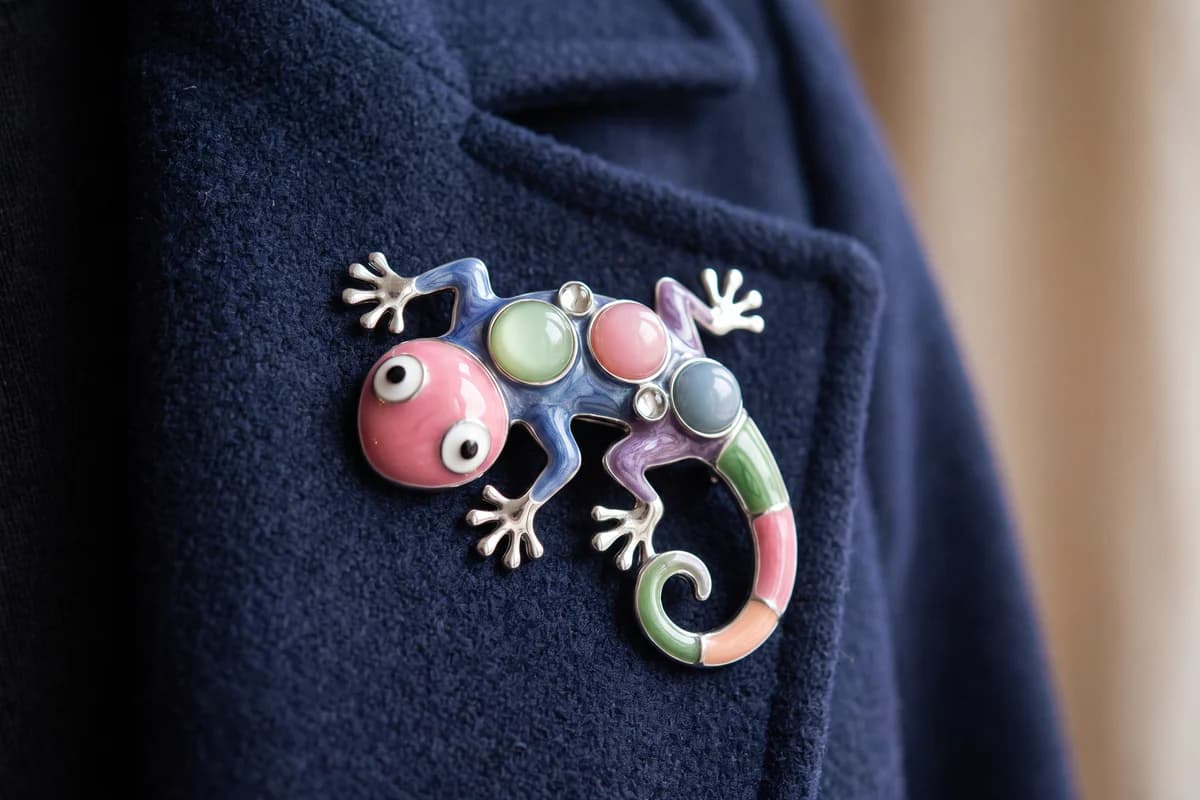
Three native snakes in Britain, and one snake on the emblem of British medicine: what the snake symbolises, from shed skin to Asclepius, Eden and the ouroboros.
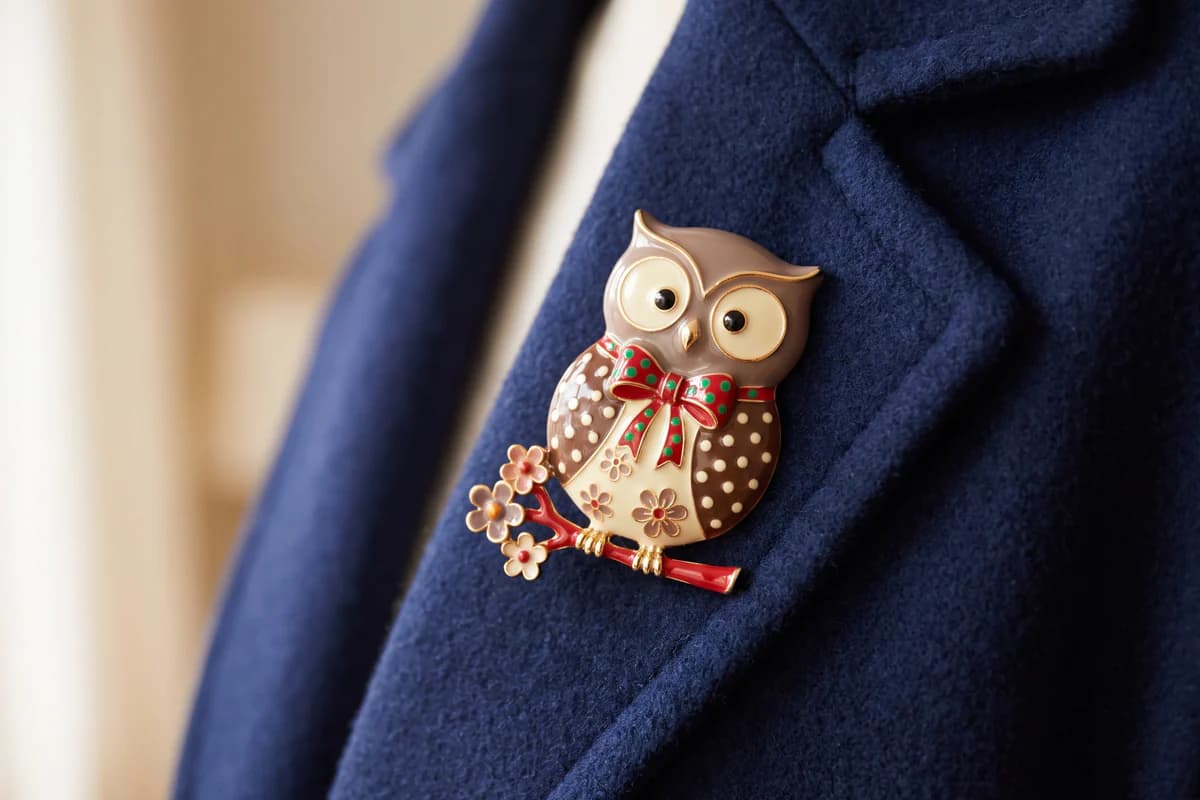
In 1843, Charles Waterton released little owls in Yorkshire. Athena’s wisdom, a Roman omen of death, a messenger of the gods: what the owl symbolises.
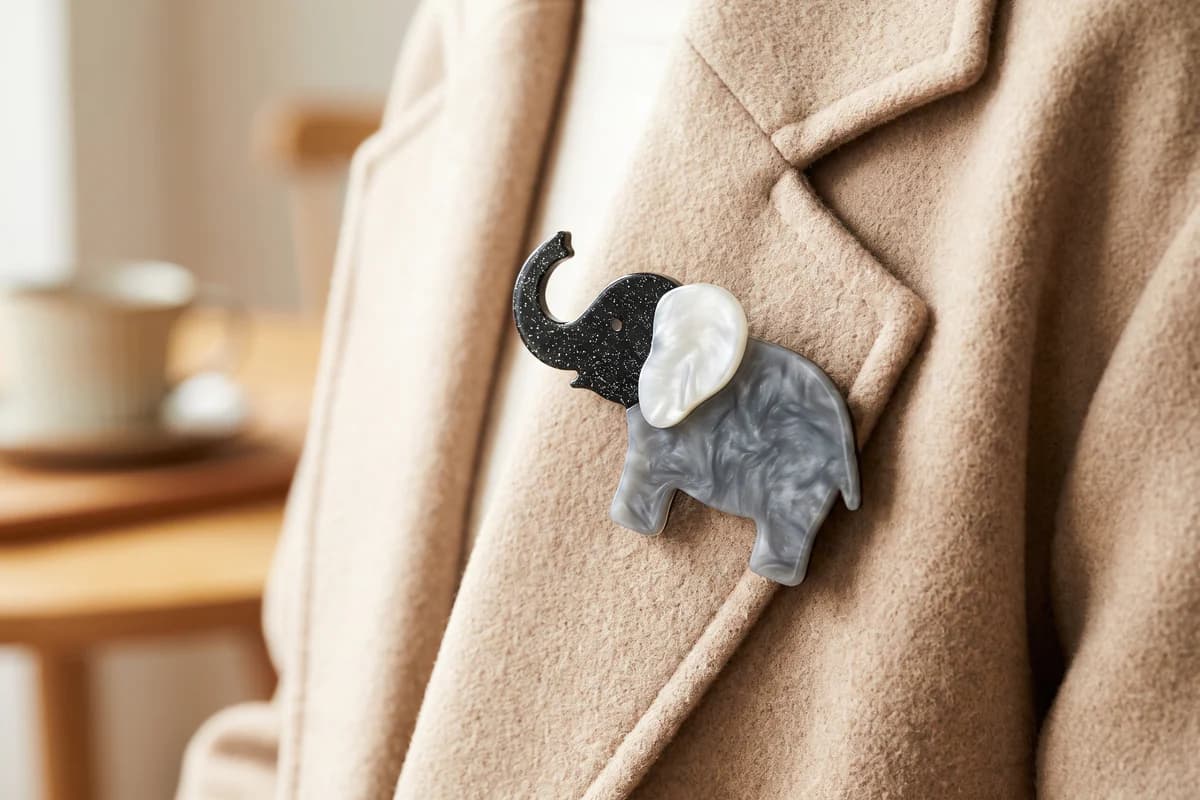
In 1255, Louis IX of France sent Henry III an elephant, and London came to stare. Memory, Ganesha, the white elephant: what the elephant symbolises.
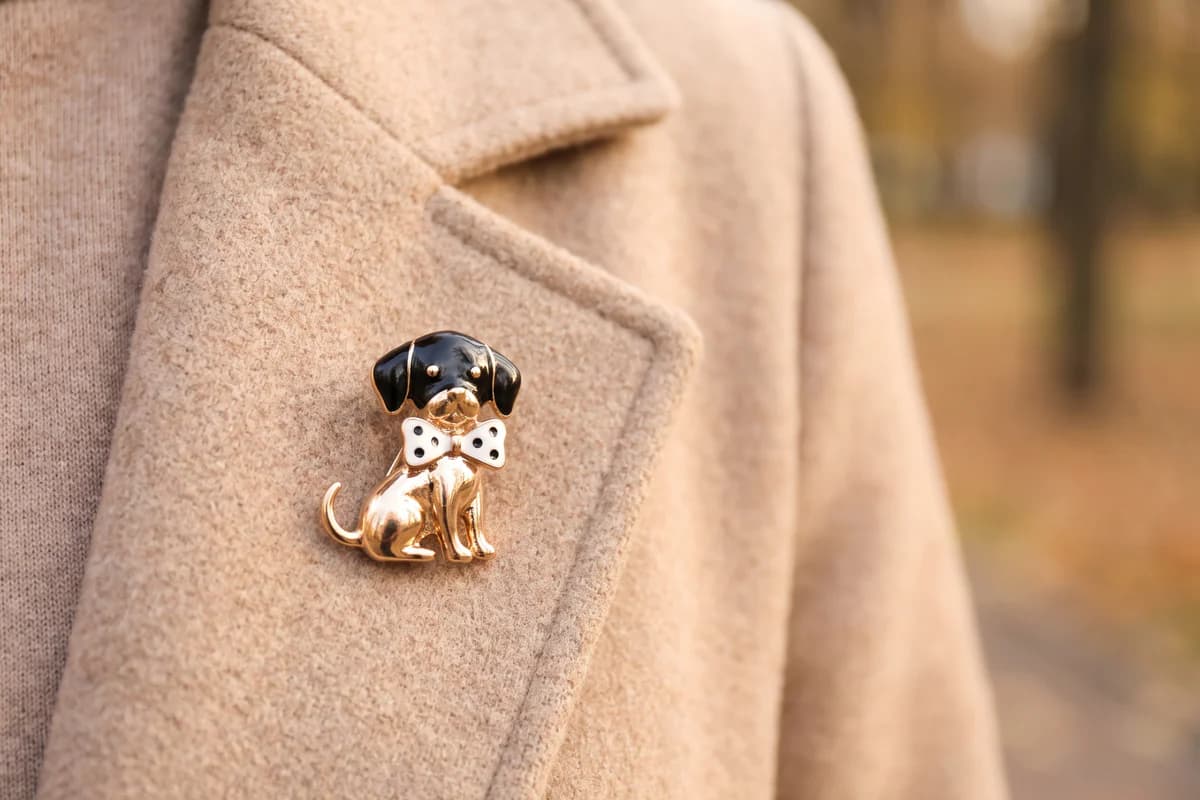
A terrier by a grave in Edinburgh, an akita at a Tokyo station, Anubis and Cerberus at the gates of the dead: what the dog symbolises, from one culture to the next.
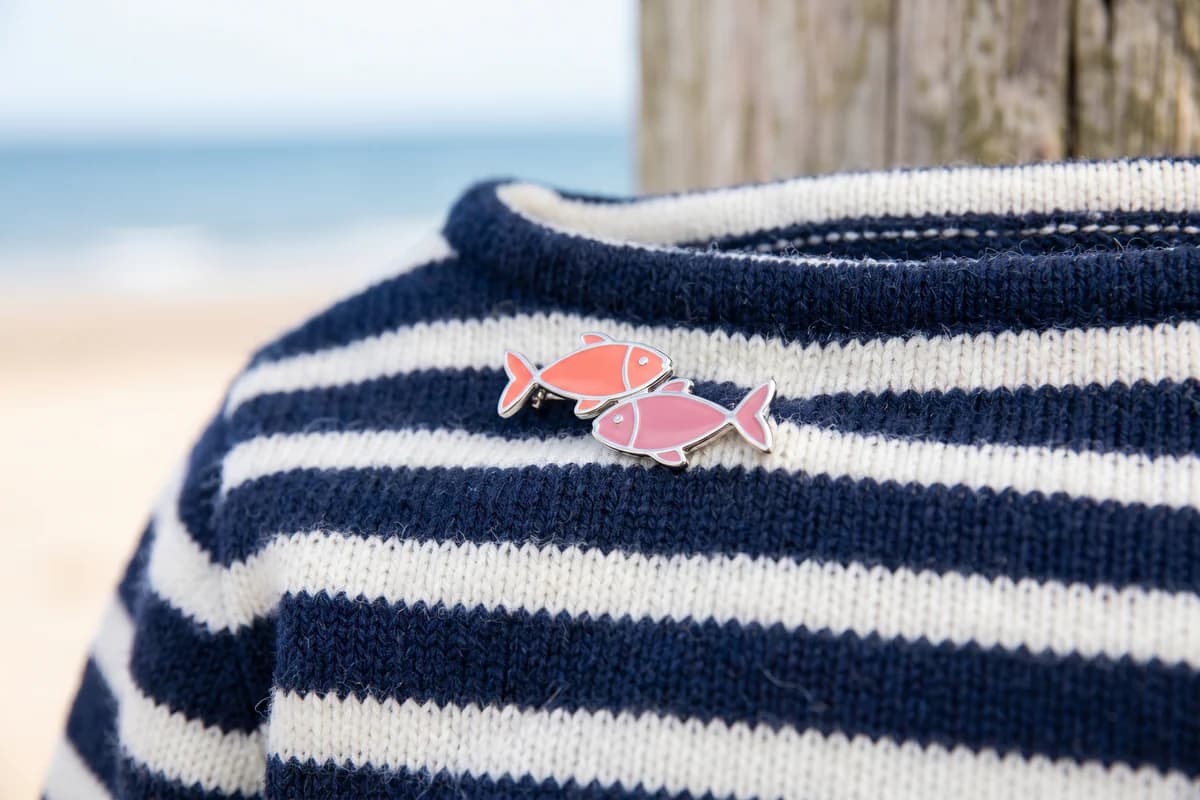
The fish on the back of a car, a Chinese wish for plenty, a carp that becomes a dragon in Japan: what the fish symbolises, from one culture to the next.
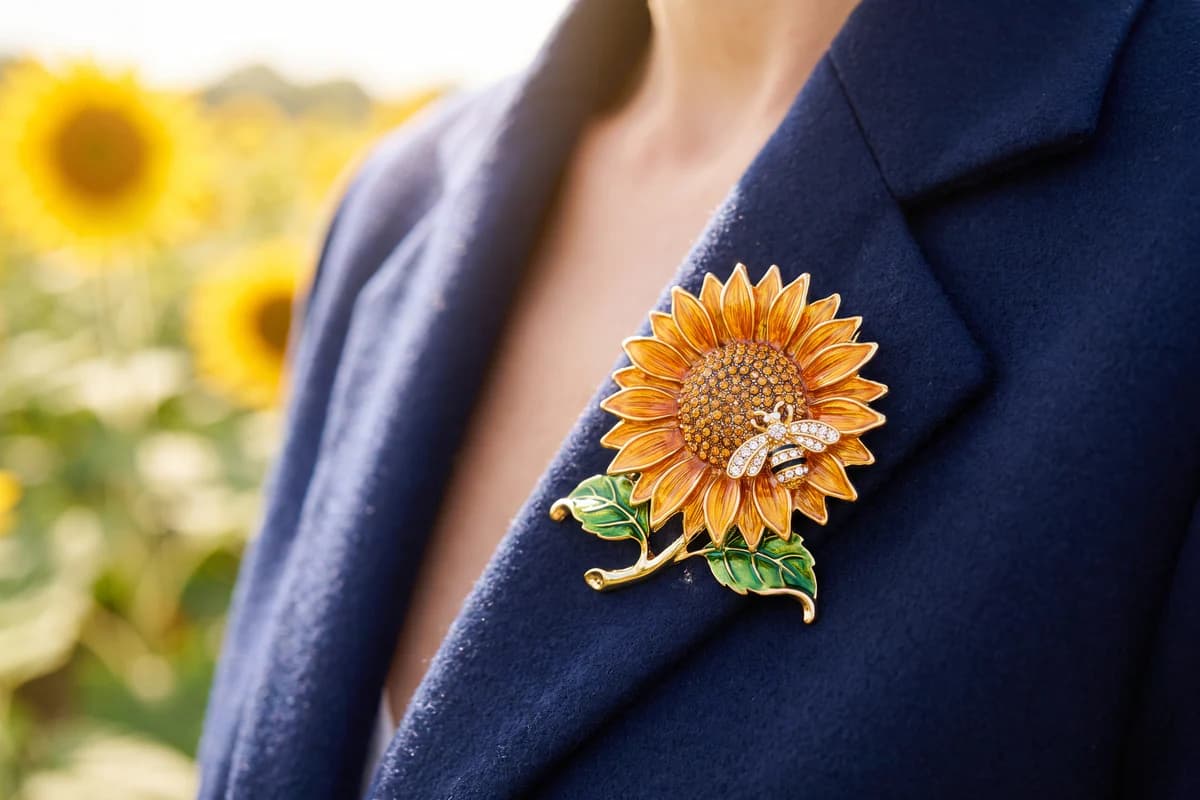
It waits for the sun every morning, its French name first meant a blue dye, and a 19th-century flower dictionary calls it “false riches”: the sunflower’s true story.

A chain on the lawn, a name that once meant pearl, a ring worn by a king: discover the daisy meaning, from innocence to a polite “I’ll think about it”.

Devil's darning needle in English, insect of victory in Japan, a Lalique jewel in 1900: discover the dragonfly's meaning, from old legends to the ponds of Britain.
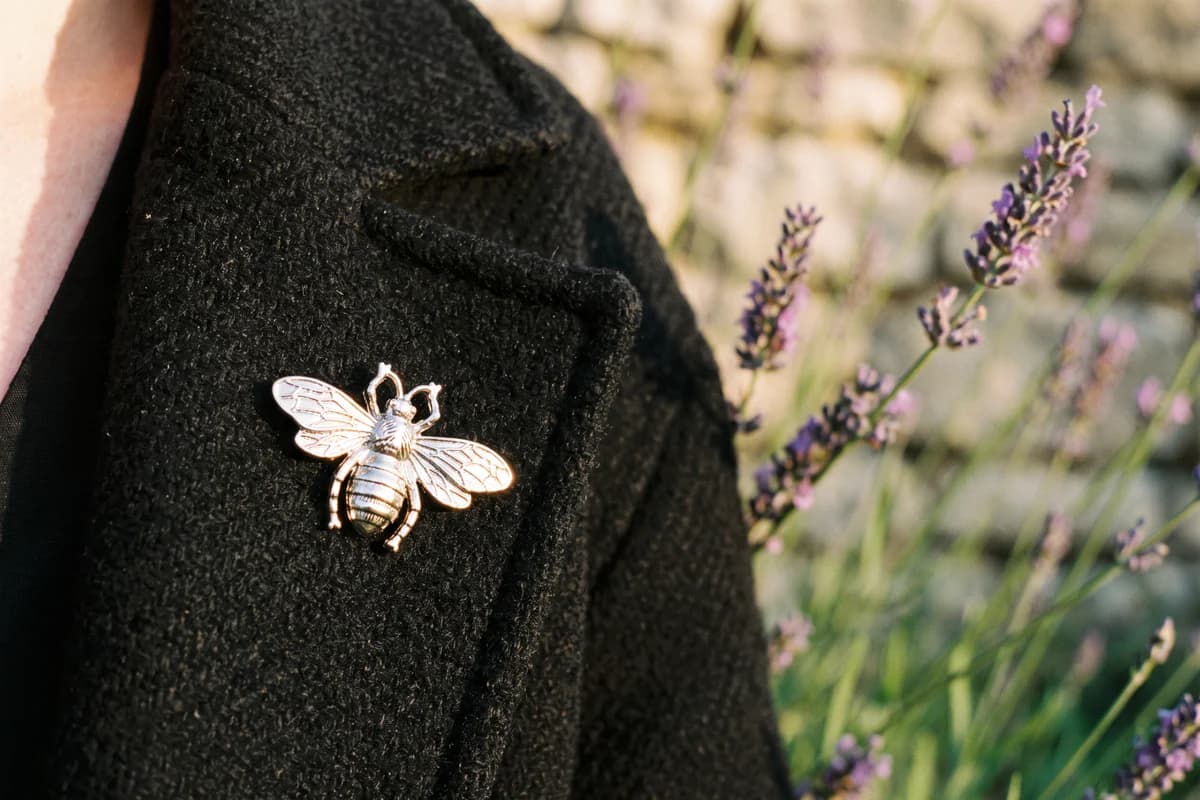
Bees on Manchester's bollards, a sun god who weeps, a king buried with winged jewels, an emperor hunting for ancestors: discover what the bee symbolises and how each era added its own meaning.

Why does the tortoise stand for long life, wisdom and protection? A journey from China and India to Turtle Island and Aesop’s fable, right up to today.
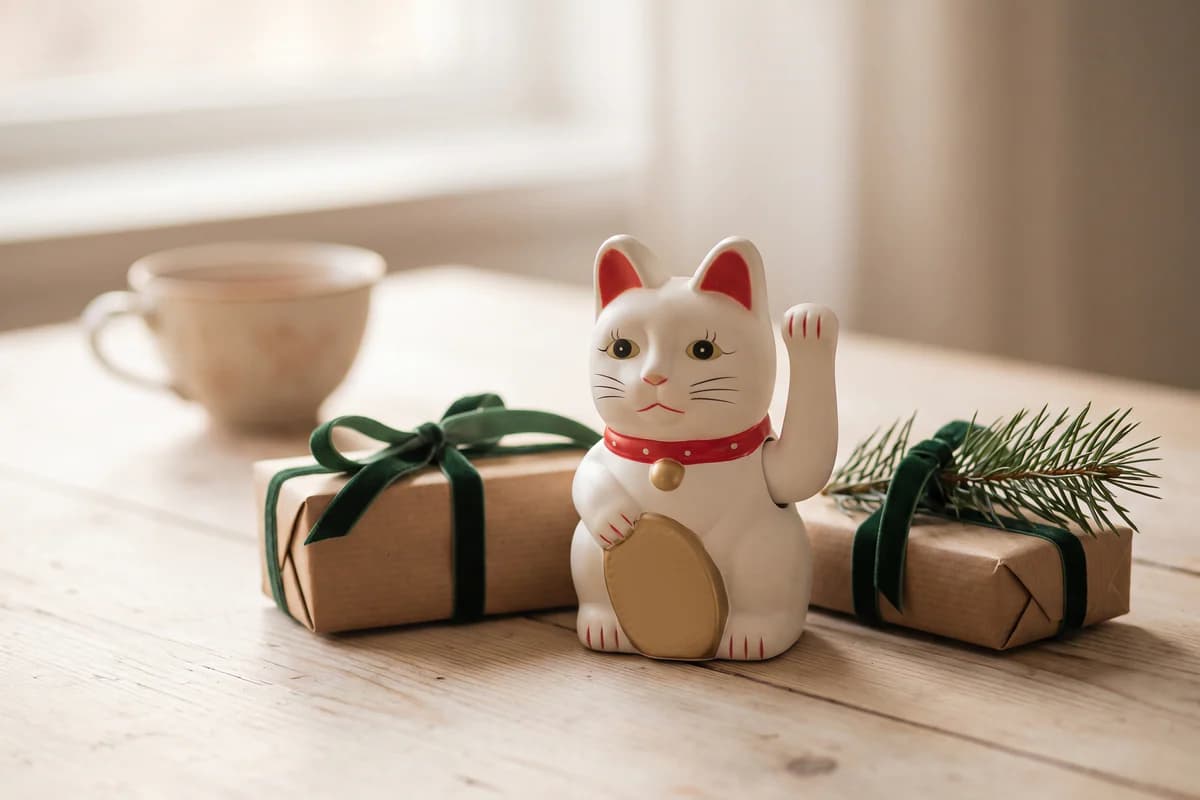
Why do cats bring good luck? The maneki-neko’s raised paw and colours, why black cats are lucky in Britain, Bastet, Dick Whittington and ideas for giving a lucky cat.
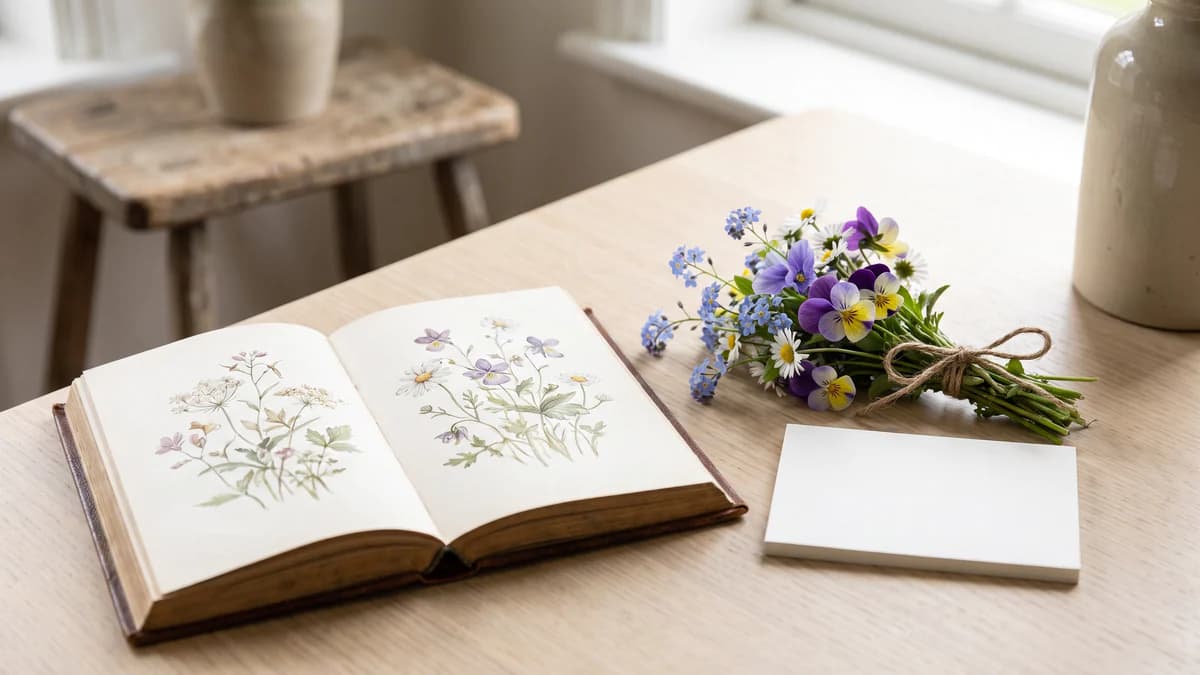
Red roses, pansies, lily of the valley and poppies: what the most loved flowers and colours mean, where the Victorian language of flowers came from and the British customs to know before you give a bouquet.