
Red and white rose meaning: love, trust and context
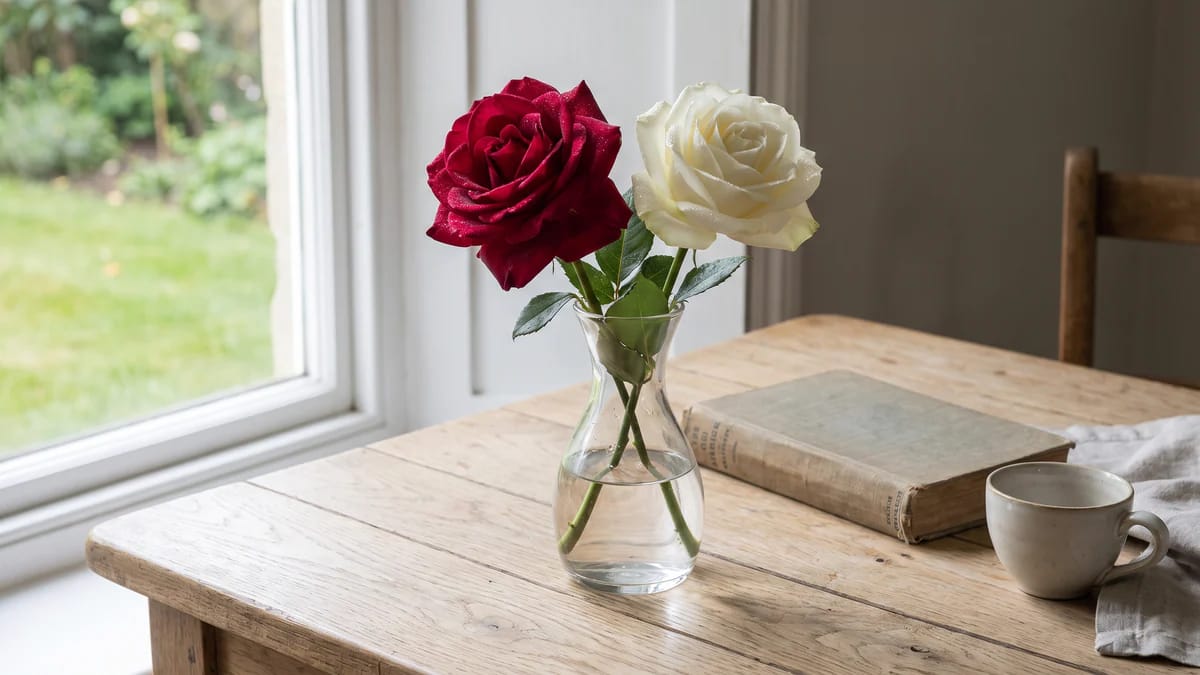
What red and white roses can say, how to choose the right tone for the relationship and why a personal note matters most.
A red rose is widely read as a message of romantic love. A white rose usually feels quieter: it can suggest respect, sincerity and a fresh start. Yet neither colour is a secret code that overrides the relationship. The most thoughtful choice is the one that fits the person, the moment and the words you add to it.
This guide is for anyone who wants a clear answer without turning a bunch of flowers into a test. It explains the familiar meanings, the British history behind the red-and-white pairing, and the small practical decisions that make a gift feel personal.
What does a red rose mean?
In everyday British gifting, a red rose most often says love, desire and affection. It is the direct option when you want the romantic intention to be easy to recognise. That does not make it reserved for a grand declaration. One red rose can also suit an anniversary, a quiet thank-you to a partner or a note that says, simply, “I am glad you are here.”
The strength of the message comes from context. A long-term partner may read red as familiar warmth. Someone at the beginning of a relationship may read it as a more definite signal. If that is the feeling you mean, choose red with confidence. If it is not, a gentler colour or a short card can prevent a well-meant gesture from feeling too intense.
Red is clear, not compulsory. It is a useful convention, rather than a rule that every person must follow. Someone who dislikes cut flowers, prefers a less traditional look or associates a particular shade with a favourite memory may value that detail far more than the standard symbolism.
What does a white rose mean?
A white rose is commonly linked with calm, honesty and new beginnings. It can feel romantic, but its tone is softer than a vivid red rose. That makes white a considerate choice for a wedding, an apology, a new home, a sympathetic message or a relationship where you want to show care without making the gesture feel dramatic.
White also works well when the setting already carries emotion. Its clean appearance leaves room for the recipient to hear the message in your card. Rather than asking the colour to say everything, let it set the mood: thoughtful, peaceful and sincere.
There is no need to claim that white has only one meaning. Flower traditions have changed across places and generations. The Royal Horticultural Society notes that Victorian flower language was fashionable in Britain and America, with red rose used for love, but it was a cultural practice, not a universal dictionary. Read its background on the language of flowers if you enjoy the history behind the convention.
Red and white roses together: a balanced message
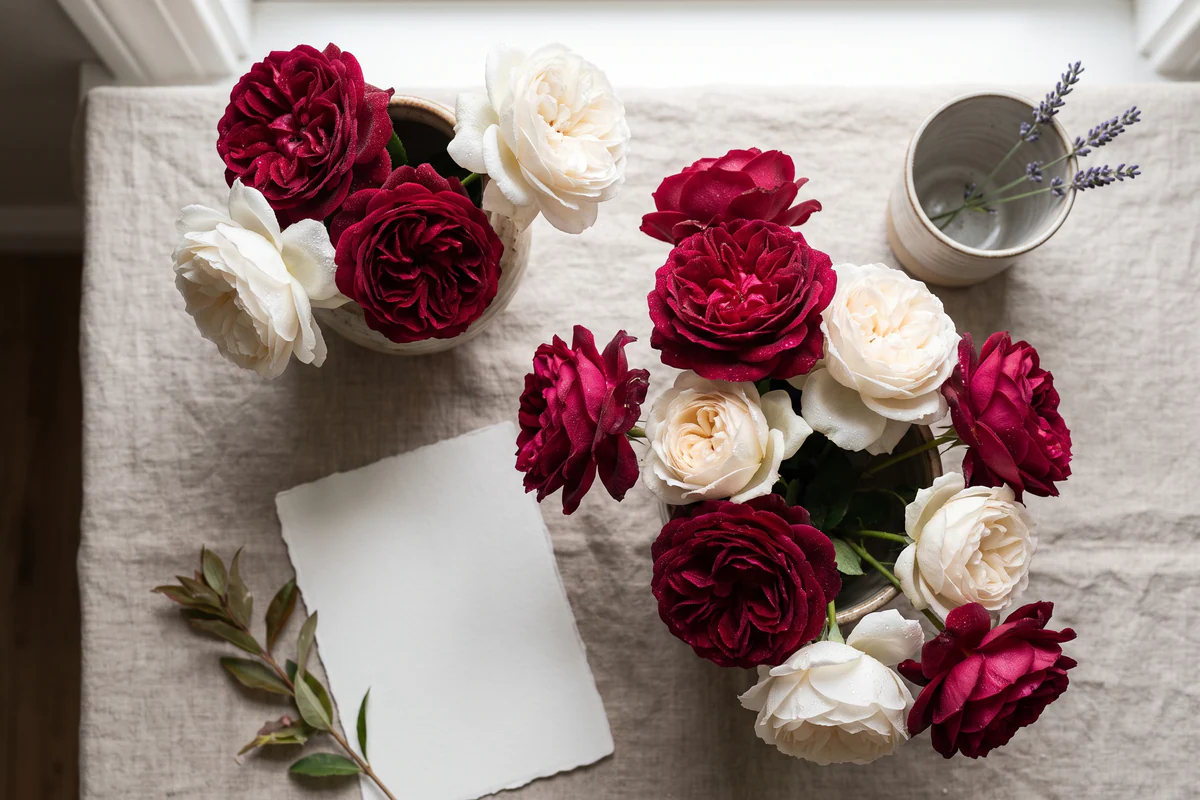
Put red and white together and the arrangement often feels like love with gentleness: affection accompanied by trust, appreciation or a wish to begin well. It can be a lovely choice for a couple marking a milestone, for a wedding table or for a message that needs both warmth and restraint.
In England, the combination has an additional historic echo. The Tudor rose joined the red rose associated with Lancaster and the white rose associated with York after the Wars of the Roses. English Heritage describes it as a heraldic fusion linked with the marriage of Henry VII and Elizabeth of York. That is a historical symbol, not an instruction for modern bouquets, but it helps explain why the two colours feel so recognisably British together. You can explore the context in English Heritage’s history of roses in English culture.
Two colours can carry one kind message. You do not have to assign a separate sentence to every stem. Let the pairing create a composed, generous impression, then use your own words for the detail that matters.
Choose the colour for the relationship, not a rigid code
| Situation | A helpful starting point | What makes it personal |
|---|---|---|
| Partner or spouse | Red for open romance; red and white for warmth with softness | Refer to a shared memory or an ordinary thing you love about them |
| New relationship | One red rose or a mixed red-and-white arrangement | Keep the note honest and light rather than making a promise you do not mean |
| Wedding or engagement celebration | White, or white with red accents | Match the couple’s style and the colours they have chosen |
| Apology or difficult conversation | White or a restrained mixed arrangement | Say clearly what you are sorry for; flowers cannot do that work alone |
| Friendship or family affection | Choose the person’s favourite colour before following tradition | Write why you thought of them today |
The table is a prompt, not a prescription. The recipient’s taste comes first. A bright red arrangement may be perfect for a friend who adores bold flowers, while white may be wrong for a person who finds it too formal. When you know the recipient, their preferences are better evidence than a generic flower guide.
Does the shade of red change the message?
People sometimes attach different meanings to scarlet, crimson and burgundy roses. A brighter red often looks lively and immediate; a deeper red can feel more formal or more dramatic. These are useful styling impressions, but they are not fixed facts. Florists, families and regions do not all use the same colour vocabulary.
A simple way to decide is to ask what you want the arrangement to feel like. Choose a bright red for joyful romance, a darker red when you want a more ceremonial mood, and white when you want the whole gesture to breathe. If the occasion is delicate, avoid trying to communicate through a complex system of shades. A short note will be understood more reliably.
Do the number of roses have a fixed meaning?
Lists that give every possible number of roses a precise message are popular online. They can be playful inspiration, but they are not a shared language that everyone knows. A dozen roses may look classic because the arrangement is visually generous, not because the recipient is waiting to decode a number.
Choose a number that suits the moment. One rose can be elegant and intentional. A small bunch can suit a dinner invitation. A larger arrangement can mark a milestone. Your budget, the vase, the journey home and the recipient’s home all matter more than a numerical legend.
Make the card do the precise work
Flowers create atmosphere; a card provides clarity. That is especially helpful if you are giving red roses early in a relationship, combining red and white roses after a disagreement, or sending flowers from a distance. One genuine sentence can make a conventional colour feel entirely yours.
- For a partner: “These made me think of the way you make an ordinary day better.”
- For a new beginning: “I wanted to send something hopeful as you start this next chapter.”
- For an apology: “I am sorry I hurt you. I am listening, and I would like to put this right.”
- For a celebration: “I am so pleased for you, and I cannot wait to see what comes next.”
These examples are deliberately plain. Specific words beat perfect symbolism. Mentioning a shared place, a private joke or a real feeling makes the message more memorable than any colour chart.
A British rose story, without the myth-making
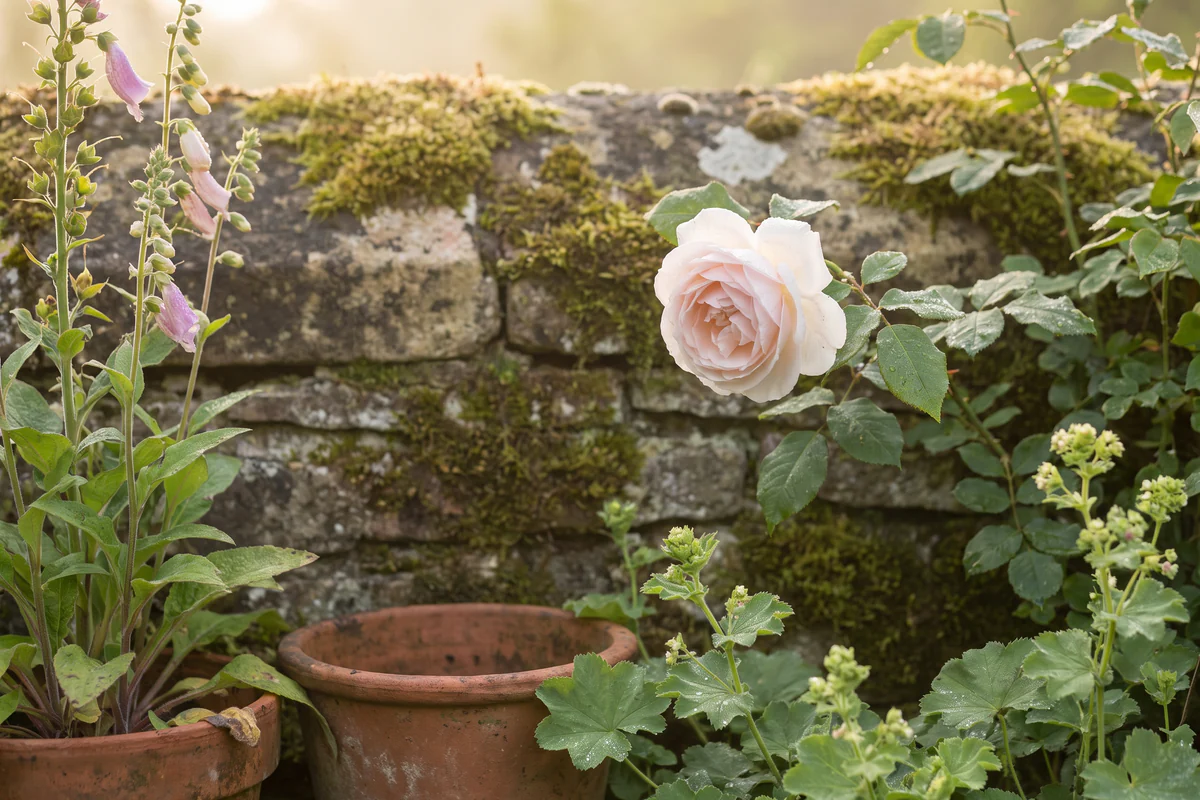
Roses have accumulated many stories because they have been grown, painted, given and written about for centuries. The RHS describes roses as the genus Rosa, with a wide range of forms and colours, and notes that their flowers can be fragrant, single-flowering or repeat-flowering. That botanical variety is one reason it is sensible to separate the plant from the meanings people later attach to it.
The red-and-white Tudor emblem is a good example. It is an important piece of English heraldic history, yet a modern arrangement of red and white roses does not automatically announce a political or historic message. History gives colour extra texture. Your relationship gives a gift its actual meaning.
When a rose motif is a better choice than cut flowers
A rose does not have to arrive in a vase to feel thoughtful. A floral accessory can keep the visual idea of affection and beauty while becoming part of an outfit. It is an especially useful option for someone who enjoys jewellery, has no practical place for a bouquet, travels often or simply likes a gift that lasts.
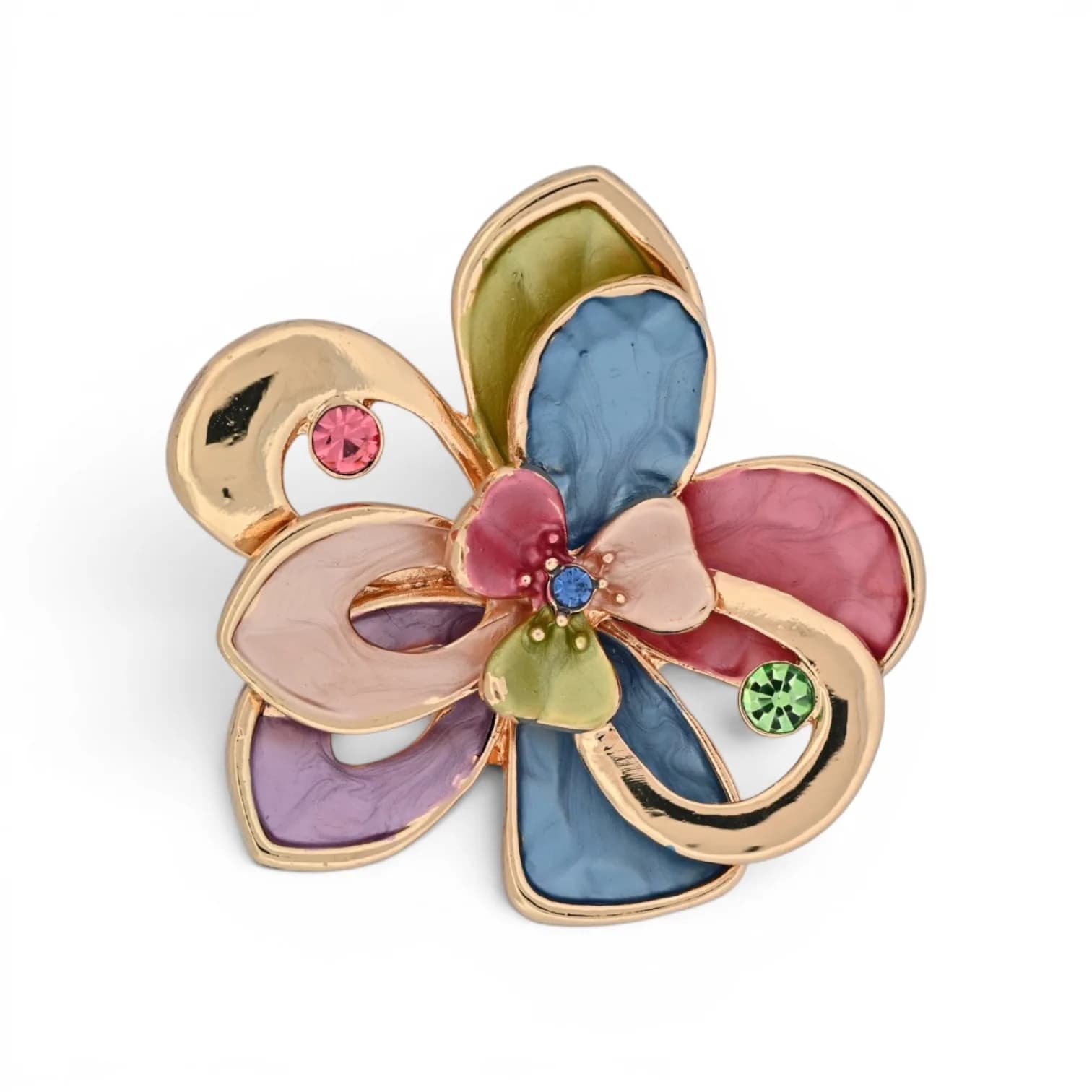
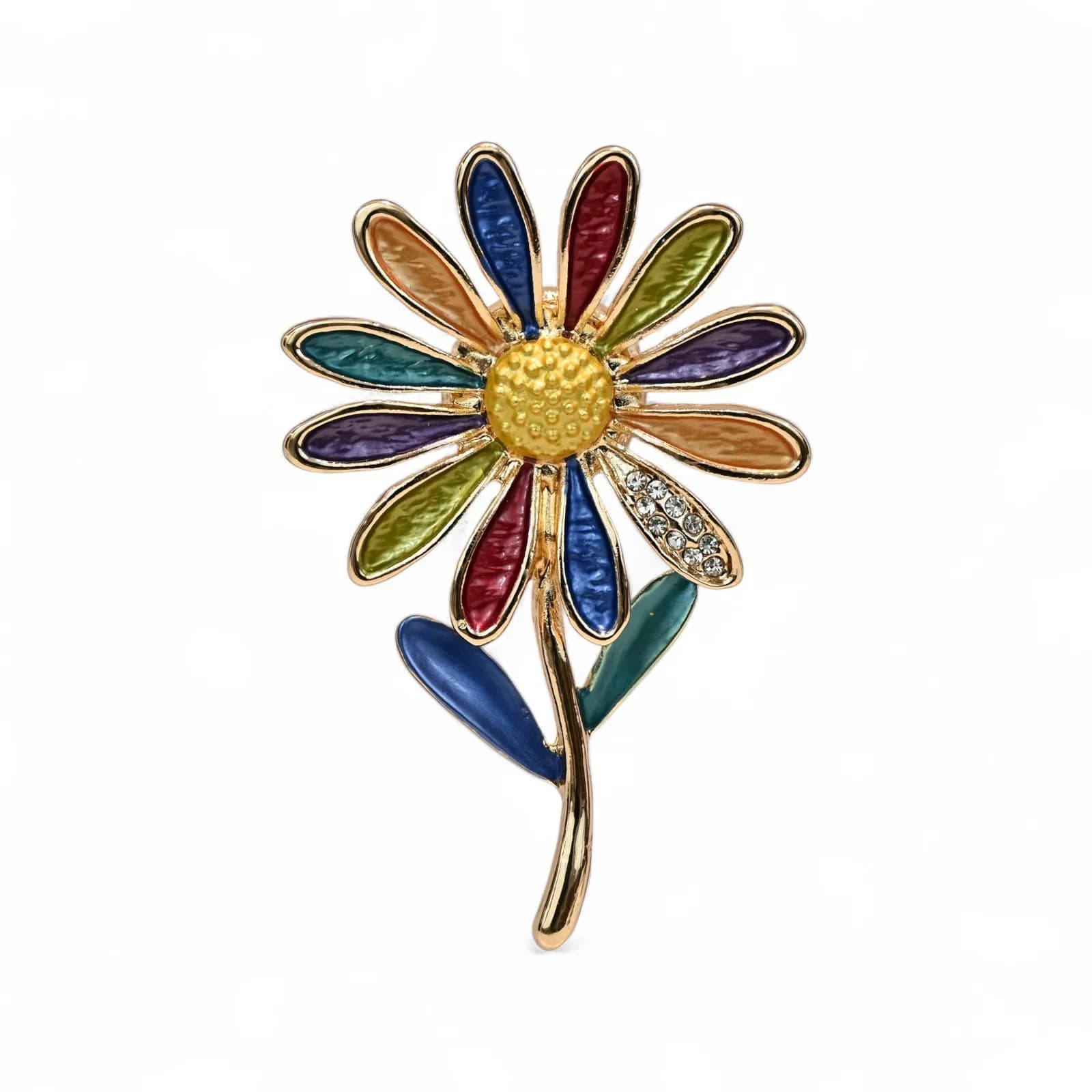
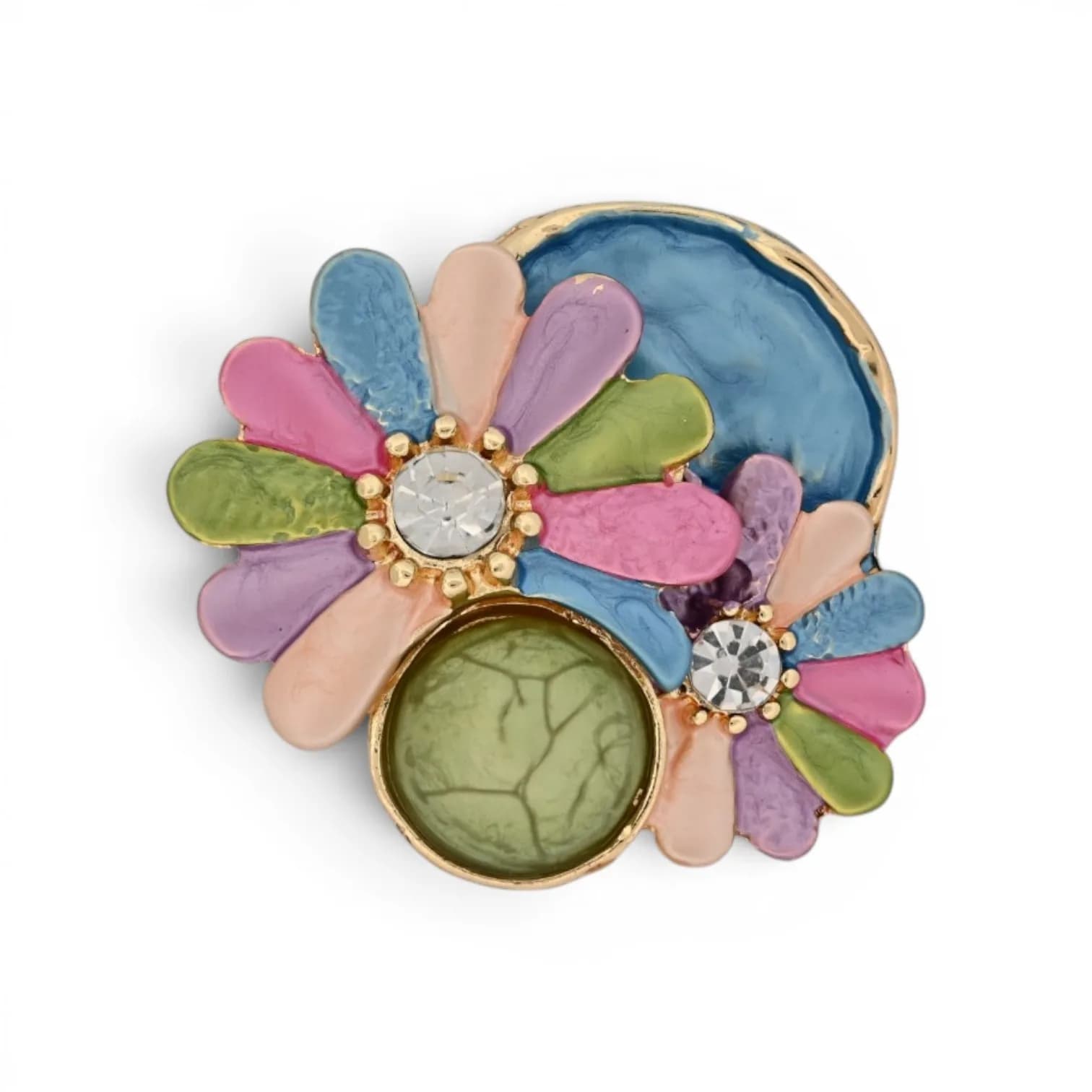
For a colourful interpretation, explore the flower brooch collection. A rose-shaped detail can sit on a coat lapel, a scarf or a bag and bring a small touch of colour to everyday clothes. If the recipient prefers a fastening that does not pierce the fabric, the magnetically fastened brooches are designed to hold without a pinhole. You can also browse the complete brooch collection when a different motif would suit their character better.
A lasting object needs a personal reason. Choose a rose motif because it connects to the recipient’s style, a memory or the message you want to give, not because it is expected to replace a conversation.
Three quick checks before you choose
- Name the real occasion. Is this romance, encouragement, thanks, an apology or a celebration?
- Picture the recipient. Would they enjoy an unmistakable red, a calm white, both colours, or something completely different?
- Add one clear line. Let the card explain the feeling that colour alone cannot carry.
If all three answers feel right, the choice is right enough. You do not need permission from a flower dictionary. Care is the message people remember.
Frequently asked questions
Can I give white roses to a romantic partner?
Yes. White roses can feel tender, elegant and sincere. Add a personal note if you want the romantic intention to be unmistakable, or pair them with red if the mixed palette suits the occasion.
Are red and white roses appropriate for a wedding?
They can be. The pairing offers a classic look and a gentle contrast, but the couple’s preferred palette matters more than traditional associations. Check the wedding colours if you are bringing flowers as a guest.
What if the recipient does not care about flower meanings?
Then choose what they like. A favourite colour, a scent they enjoy or a useful lasting gift is more thoughtful than following a symbolism guide they do not use.
Is one red rose enough?
Absolutely. A single rose can look deliberate and elegant. Pair it with a note, and it can feel more personal than a larger arrangement chosen without thought.
The message in one sentence
A red rose usually signals romantic affection, a white rose often brings a softer note of sincerity or renewal, and red with white can feel beautifully balanced. Use those associations as a starting point, then let your own words and attention make the message unmistakably personal.
Frequently asked questions
Can I give white roses to a romantic partner?▾
Yes. White roses can feel tender, elegant and sincere. Add a personal note if you want the romantic intention to be unmistakable.
Are red and white roses appropriate for a wedding?▾
They can be. The pairing offers a classic look, but the couple’s preferred palette matters more than traditional associations.
What if the recipient does not care about flower meanings?▾
Choose what they like. A favourite colour, a scent they enjoy or a useful lasting gift is more thoughtful than a symbolism guide they do not use.
Is one red rose enough?▾
Absolutely. A single rose can look deliberate and elegant. Pair it with a note to make it personal.